By GOM Graphics SEO Project
•
January 10, 2026
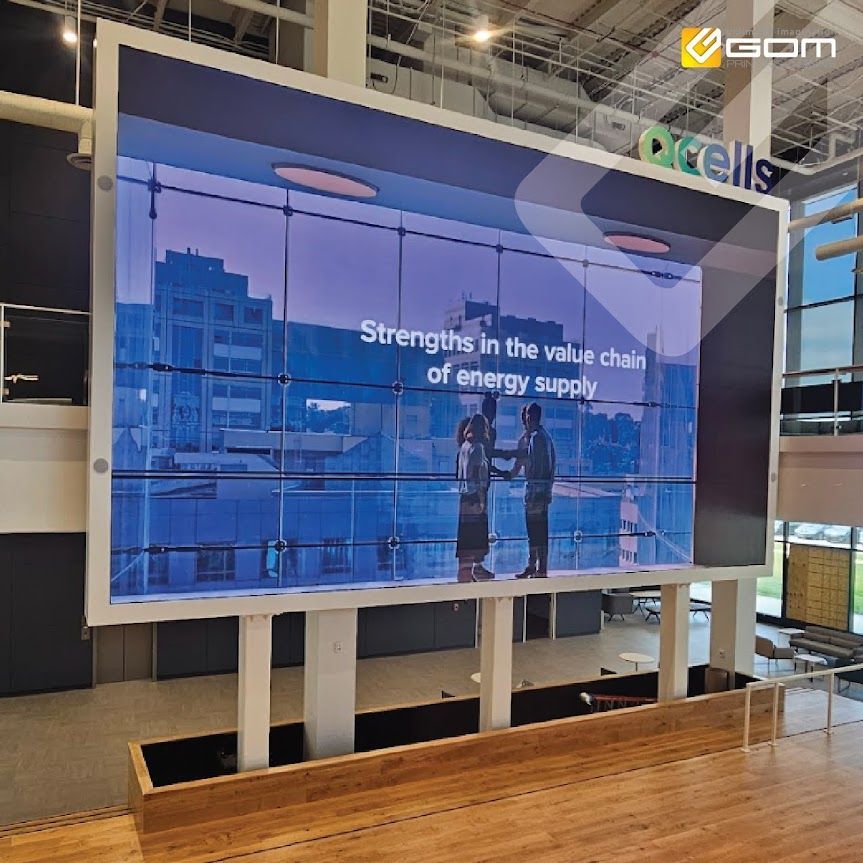
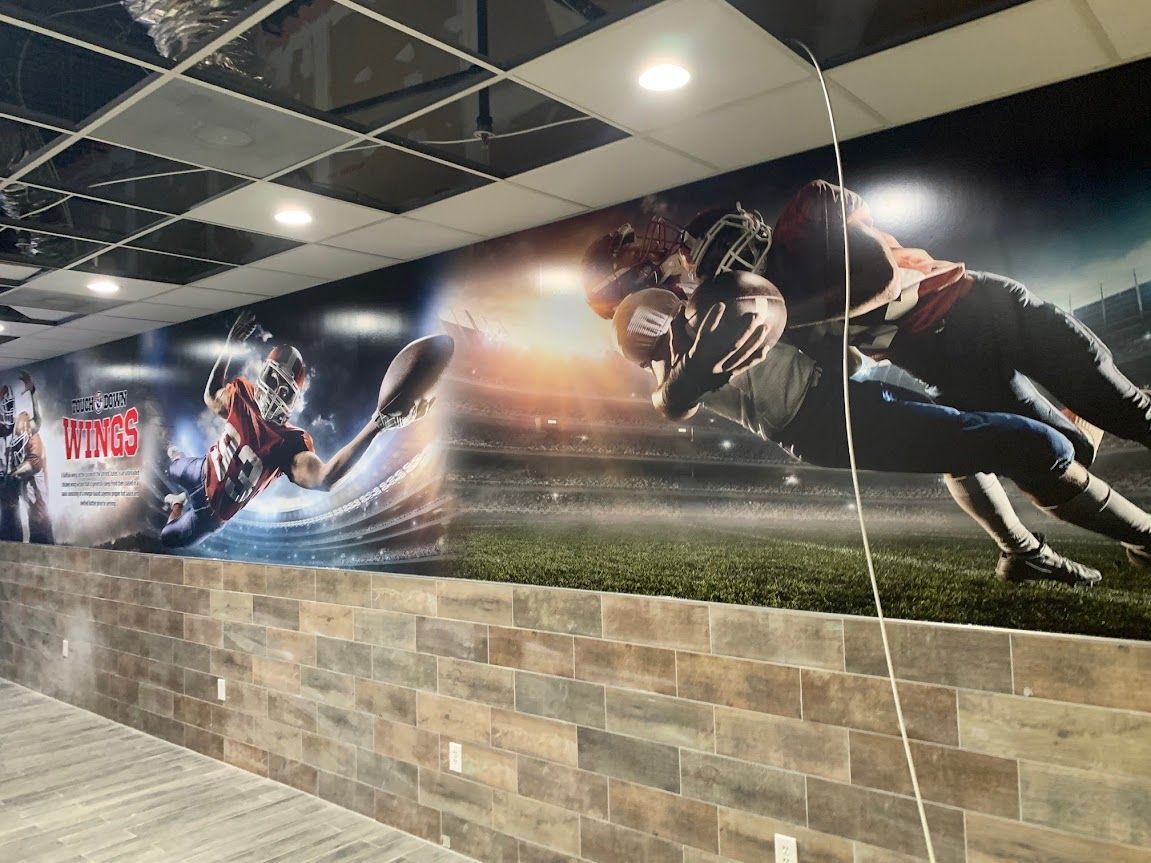
For Signage Strategies , visibility is one of the most practical challenges facing local businesses. A sign is often the first interaction a person has with a physical location, shaping how easily the business is identified and understood. Clear signage helps customers know where they are, what services are offered, and whether the business is open or relevant to their needs. When signage is planned carefully, it becomes a dependable communication tool that works every day without requiring ongoing effort. Unlike short term marketing tactics, signage remains in place for years. This makes thoughtful planning essential, as design and placement decisions influence long term recognition rather than immediate attention alone. The Role of Signage in Local Visibility Signage serves as a visual anchor within a neighborhood or commercial area. It allows businesses to establish a physical presence that customers can recognize over time. Repeated exposure to a consistent sign helps build familiarity, even among people who do not immediately become customers. Local visibility depends on more than brightness or size. Signs must be readable, positioned effectively, and designed with their surroundings in mind. A well placed sign can quietly guide foot traffic and vehicle traffic without appearing intrusive. Understanding How to Choose Business Signs in California When considering how to choose business signs in California , businesses must balance visual goals with regulatory requirements. Local governments often have specific rules that govern sign size, lighting, placement, and materials. These regulations are intended to maintain safety and visual order within communities. Businesses that plan signage early and understand local guidelines can avoid delays and redesigns. Careful research also helps ensure that signs remain compliant over time, even as regulations evolve. Environmental factors matter as well. Sun exposure, wind, and seasonal weather can all affect how long a sign remains readable and intact. Choosing materials suited to local conditions helps maintain visibility without frequent maintenance. Storefront Signs and Customer Perception Storefront signage plays a critical role in shaping first impressions. Customers often decide whether to approach a business based on whether they can easily identify it and understand what it offers. Clear storefront signs communicate confidence and organization. Signs that are cluttered or difficult to read can cause hesitation or confusion. Simplicity supports faster recognition, especially for people passing by at a distance or in moving vehicles. Storefront signage should also reflect the nature of the business. A professional service may benefit from understated design, while a retail shop may emphasize approachability and clarity. Commercial Sign Design and Visual Consistency Commercial sign design works best when it aligns with a business broader visual identity. Signs should feel connected to other visual elements such as printed materials, packaging, or digital platforms. Consistency helps customers recognize a business across different environments. Repeated exposure to similar colors, typography, and layout strengthens memory and familiarity. Over time, this consistency builds trust by making the business feel established and reliable. Design choices should prioritize legibility first. Decorative elements should support clarity rather than compete with it. Placement and Sightlines Even the most carefully designed sign can lose effectiveness if placed incorrectly. Placement determines whether a sign is noticed at all. Good placement considers how people naturally move through an area. Sightlines from sidewalks, parking areas, and roadways should guide where signs are positioned. Obstructions such as trees, poles, or neighboring structures should be accounted for during planning. Placement also affects how quickly information is understood. Signs should allow enough viewing time for the message to be read comfortably. Lighting and Readability Lighting extends the usefulness of signage beyond daylight hours. Without proper lighting, signs may become unreadable in the evening or during overcast conditions. Consistent illumination improves legibility while reducing eye strain. Lighting should be even, avoiding harsh glare or deep shadows. Energy efficient options are often preferred because they provide steady brightness with lower long term costs. Solutions similar to led signs for business demonstrate how modern lighting can support clarity without overwhelming the surrounding environment. Digital Signage and Adaptability Digital signage offers flexibility by allowing content to be updated without changing the physical structure. This can be helpful for communicating temporary information such as schedule changes or announcements. While digital signage can attract attention, it should still follow principles of simplicity and readability. Content that changes too quickly or includes excessive detail can be difficult to absorb. Examples comparable to led digital signs atlanta show how digital displays can be used effectively when content remains concise and purposeful. Retail Signage and Interior Guidance Once customers enter a space, signage continues to play a role. Interior retail signage helps people navigate and understand the layout of a business. Clear directional signage reduces confusion and supports a smoother customer experience. Labels, aisle markers, and service indicators guide movement and minimize the need for verbal directions. Interior signage should remain consistent with exterior design to reinforce recognition and continuity. Materials and Durability Signage is exposed to constant environmental stress. Material selection affects how well signs withstand weather, sunlight, and physical wear. Durable materials help maintain readability over time, reducing the need for frequent replacements. Faded or damaged signs can negatively impact perception, making a business appear neglected. Selecting appropriate materials is a practical decision that supports long term effectiveness rather than short term appearance. Community Context and Visual Harmony Local businesses operate within shared environments. Signage should complement surrounding architecture and community character. Respecting local aesthetics helps signage feel integrated rather than disruptive. This consideration can improve acceptance while still maintaining visibility. In pedestrian focused areas similar to those with storefront signs duluth , signage often emphasizes human scale and readability rather than size alone. Reviewing and Maintaining Signage Signage should be reviewed periodically to ensure it remains effective. Changes in surroundings, traffic patterns, or regulations can impact visibility. Maintenance supports readability and professionalism. Clean, intact signs communicate attention to detail and care. Regular review allows businesses to address issues early rather than waiting until signs become ineffective. Long Term Value of Thoughtful Signage Signage is not a one time decision. It is a long term investment in visibility and communication. When designed thoughtfully, signage supports recognition, navigation, and trust without requiring ongoing effort. Over time, it becomes part of how a business is remembered and identified within its community. Conclusion Signage remains one of the most practical tools for helping local businesses stand out. From storefront visibility to interior navigation, effective signs communicate clearly and consistently. By understanding how to choose business signs in California and applying principles of placement, lighting, and design, businesses can create signage that serves customers day after day. Thoughtful signage supports long term recognition, reinforces identity, and strengthens local presence. Frequently Asked Questions 1. Why is signage important for local businesses Signage helps customers locate, recognize, and understand a business quickly. 2. What makes a storefront sign effective Clear lettering, appropriate size, and good visibility from common viewing angles. 3. How does lighting affect signage Lighting ensures readability during low light conditions and improves consistency. 4. Should businesses use digital signage Digital signage can be useful when information needs to change regularly. 5. How often should signage be evaluated Periodic review helps ensure signs remain visible and compliant over time.